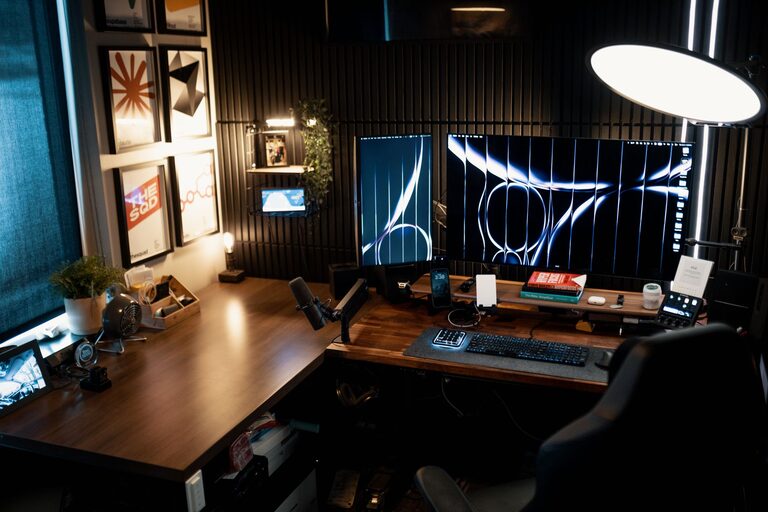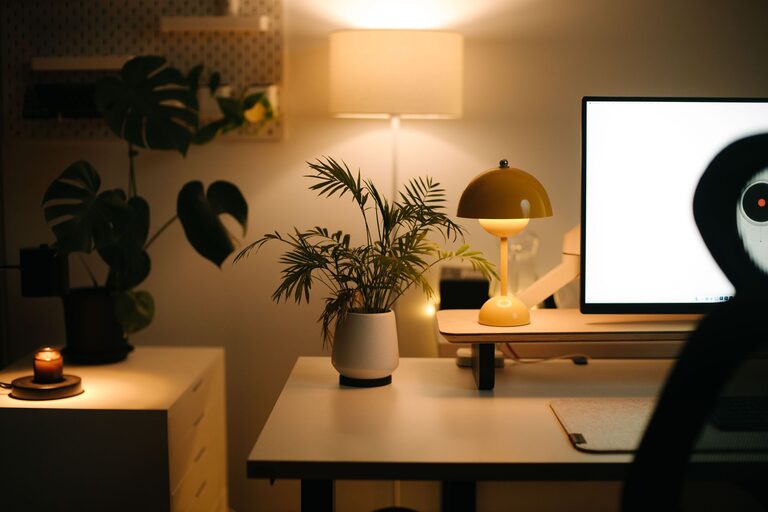
Creating a relaxing home workspace can make a big difference in your productivity and overall well-being. Whether you’re working remotely full-time or just need a quiet spot for occasional tasks, a calm and organized setup helps keep distractions low and focus high. Here are some practical tips to help you craft a home workspace that promotes relaxation and efficiency.
Choose the Right Location
Finding the perfect spot for your workspace is the first step. Ideally, pick a quiet area away from high-traffic parts of your home. If possible, locate your desk near a window to let in natural light, which can boost mood and energy.
Consider These Factors:
– Noise levels: Choose a space with minimal noise distractions.
– Lighting: Natural light is best; supplement with soft artificial lighting if needed.
– Privacy: A dedicated spot helps separate work from home life.
Invest in Comfortable Furniture
Comfort is key to staying relaxed during work hours. A supportive chair that encourages good posture prevents fatigue and discomfort. Your desk should be at a height that allows your arms to rest comfortably while typing.
Tips for Furniture:
– Ergonomic chair with adjustable height and lumbar support.
– Desk with enough surface area for your computer and supplies.
– Footrest if your feet don’t touch the ground comfortably.
Keep Your Space Organized
Clutter can cause stress and reduce your ability to focus. Maintaining an organized workspace creates a sense of control and calm.
Organization Ideas:
– Use drawer organizers for small supplies.
– Store paperwork in labeled folders or filing cabinets.
– Keep only essential items on your desk.
Incorporate Soothing Colors and Decor
Colors and decor affect mood. Calm tones like soft blues, greens, or neutrals help create a relaxing atmosphere.
Decorating Tips:
– Add plants to bring nature indoors and improve air quality.
– Use calming artwork or inspirational quotes.
– Avoid overly bright or busy patterns that may be distracting.
Manage Lighting for Comfort
Proper lighting reduces eye strain and sets the right tone.
– Use adjustable desk lamps to control brightness.
– Avoid harsh overhead fluorescents.
– Consider adding warm-toned bulbs for a cozy feel.
Use Noise Control Techniques
Background noise can be disruptive. If sound distractions are an issue, explore ways to minimize them.
Noise Solutions:
– Noise-canceling headphones or earplugs.
– White noise machines or apps.
– Soundproofing elements like rugs, curtains, or acoustic panels.
Take Breaks and Move
Even the most relaxing workspace can’t substitute for regular breaks. Stepping away helps refresh your mind and body.
– Follow the Pomodoro technique: 25 minutes work, 5 minutes rest.
– Stretch or take a short walk.
– Change your scenery if possible during breaks.
Personalize Your Workspace Mindfully
Adding personal touches makes your home office inviting without causing clutter.
Ideas:
– Family photos or meaningful objects.
– A favorite mug or water bottle.
– Inspirational notebooks or calendars.
Optimize Technology Setup
A smooth technology setup reduces frustration.
– Ensure your computer and peripherals work well and are organized.
– Use cable management to keep cords tidy.
– Have fast and reliable internet connectivity.
Establish Work Rituals
Rituals help your brain switch into work mode comfortably.
– Start your day with a cup of tea or coffee at your desk.
– Use consistent work hours and breaks.
– End your workday by tidying your workspace.
In Summary
Designing a relaxing home workspace involves balancing comfort, organization, and personalization. By thoughtfully creating a calm environment, you’ll boost your productivity and enjoy your work-from-home experience more. Remember, the best workspace suits your unique needs and preferences. Experiment with these tips until you find what helps you focus and feel relaxed throughout your day.