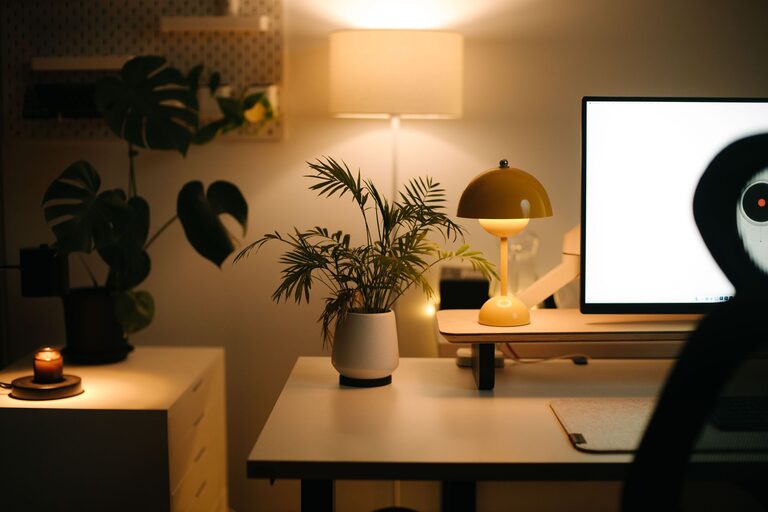
Creating a comfortable and organized home office is essential for working efficiently and staying motivated. A clutter-free workspace helps reduce distractions, encourages focus, and promotes a healthier work routine. Whether you have a small corner or a dedicated room, organizing your home office properly can make a big difference in your productivity. Here are some practical tips to help you achieve a neat, clutter-free office space.
1. Choose the Right Location
Your home office location plays a key role in your organization and productivity. Pick a spot with enough space for your needs and good natural lighting if possible. Avoid high-traffic areas or spaces prone to frequent interruptions. If noise is an issue, consider noise-canceling headphones or adding a room divider for privacy.
2. Declutter Before Organizing
Before you start organizing, take time to declutter. Go through your office items and decide what you truly need. Remove or donate anything unnecessary, broken, or unused. Less stuff means less clutter, allowing you to focus on the essentials.
3. Invest in Functional Furniture
Choose office furniture that suits your workspace and storage needs. Desks with built-in drawers, filing cabinets, and shelves can help keep items neatly stored out of sight. Consider ergonomic options such as adjustable chairs and desks to support comfort during long work hours.
4. Maximize Vertical Space
Vertical storage is a great way to stay organized in a small space. Wall-mounted shelves or pegboards keep supplies within reach while freeing up desk space. You can display bulletin boards or organizers on the wall to keep important notes and tools handy without cluttering your desktop.
5. Use Drawer Organizers and Storage Bins
Small items like pens, paper clips, and sticky notes can quickly create clutter. Drawer organizers help keep these supplies sorted. Clear or labeled storage bins and baskets are also effective for grouping similar items. This makes it easier to find what you need and maintain a tidy space.
6. Prioritize Cable Management
Cables and cords tend to tangle and clutter your workspace. Use cable ties, clips, or sleeves to bundle wires together neatly. Consider a cable box to hide power strips and excess cords. This not only improves the look of your office but also reduces tripping hazards.
7. Maintain Minimalist Decor
Keep decorations simple and purposeful. A few personal items or plants can boost your mood without overcrowding your desk. Avoid excessive knickknacks that can distract or create clutter. Choose calming colors and clean lines to create a peaceful work environment.
8. Establish a Filing System
Paperwork is a common source of office clutter. Develop a clear filing system using file folders, binders, or digital scanning to manage documents. Sort papers into categories like bills, project files, and receipts. Regularly review and remove outdated documents to keep files manageable.
9. Implement Daily and Weekly Clean-Ups
Maintaining an organized home office requires consistent effort. Set aside a few minutes each day to clear your desk and put things back in their places. Weekly clean-ups can involve dusting surfaces, organizing drawers, and checking your filing system. These routines prevent clutter from piling up.
10. Utilize Digital Tools
Take advantage of digital tools for notes, calendars, and task management to reduce paper clutter. Apps like digital planners, cloud storage, and project management software help keep your work organized and accessible. Backup important files regularly to avoid losing essential information.
11. Create Zones for Different Activities
If your workspace allows, create specific zones for tasks such as computer work, phone calls, and paperwork. This physical separation helps organize supplies and improve focus by defining where each activity takes place. For example, keep your printer and paper near the paperwork zone and place your computer monitor at your primary work zone.
12. Personalize Without Overcrowding
While a sterile office can feel uninspiring, personalization is important too. Choose a few items that motivate or comfort you, such as a favorite photo, inspirational quote, or a small plant. The key is to keep personal touches balanced so they enhance your workspace without causing clutter.
—
By following these tips, you can transform your home office into an organized, clutter-free environment that supports productivity and well-being. Remember that organization is an ongoing process, so it’s important to develop habits that keep your space clean and efficient. Start small, be consistent, and enjoy the benefits of a well-arranged home office.