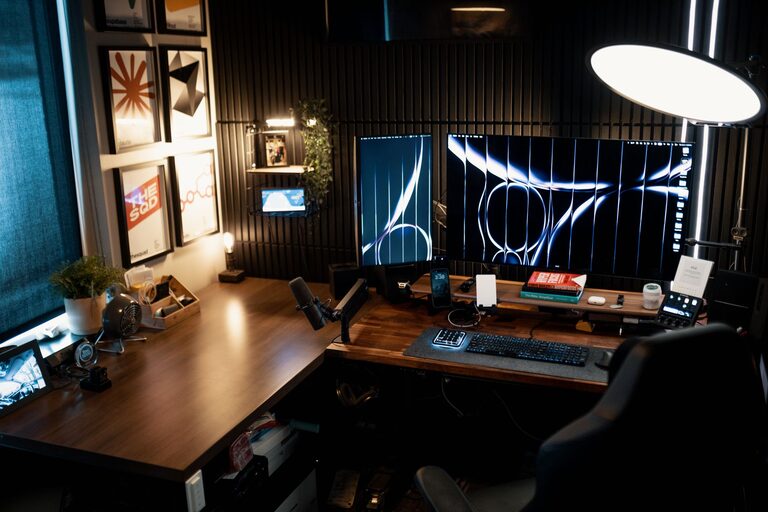
Creating a productive home office environment is essential for anyone working remotely or managing tasks from home. A well-designed workspace can enhance focus, reduce distractions, and improve overall work satisfaction. Whether you have a dedicated room or a small corner, applying thoughtful strategies can make a significant difference. Here are some helpful tips to create a home office that supports productivity and comfort.
Choose the Right Location
Selecting the right spot for your home office sets the foundation for productivity.
– Quiet and Low-Traffic Area: Pick a space where interruptions are minimal. Avoid areas near TV rooms or busy household zones.
– Natural Light: Position your desk near a window if possible. Natural light boosts mood and reduces eye strain.
– Ventilation: A well-ventilated room keeps air fresh and your mind alert.
Invest in Ergonomic Furniture
Comfort is key to working efficiently for long hours.
– Ergonomic Chair: Choose a chair that supports your back, encourages good posture, and is adjustable.
– Desk Height: Make sure your desk allows your elbows to rest comfortably at a 90-degree angle.
– Monitor Placement: Your screen should be at eye level to prevent neck strain.
Organize Your Workspace
A clutter-free environment helps you focus and saves time.
– Declutter Regularly: Remove unnecessary items and keep only what you need.
– Use Storage Solutions: Shelving, drawers, and organizers help keep supplies tidy.
– Cable Management: Use clips or sleeves to keep cords organized and out of the way.
Optimize Lighting
Proper lighting reduces eye strain and increases alertness.
– Layered Lighting: Combine ambient, task, and accent lighting for balanced illumination.
– Adjustable Desk Lamp: Use a lamp that can be positioned to reduce glare on your screen.
– Avoid Screen Glare: Arrange monitors perpendicular to windows or bright light sources.
Minimize Distractions
Maintaining focus means limiting interruptions as much as possible.
– Set Boundaries: Communicate your work hours to family members or housemates.
– Use Noise-Cancelling Headphones: These can help block background sounds.
– Turn Off Notifications: Silence non-essential apps during focused work sessions.
Personalize Thoughtfully
Personal touches make your office inviting but keep them minimal to avoid clutter.
– Inspiring Artwork: Choose decor that motivates you without overwhelming the space.
– Plants: Adding greenery can improve air quality and create a calming atmosphere.
– Comfort Items: A soft rug or a cozy blanket can make the space feel welcoming.
Establish a Routine
A consistent schedule helps signal to your brain when it’s time to work and when to rest.
– Regular Hours: Try to start and end work at the same time each day.
– Scheduled Breaks: Take short breaks to stretch and recharge.
– Designated Work Area: Using the same space daily trains your mind to associate it with productivity.
Use Technology Wisely
The right tools can streamline your work and reduce frustration.
– Reliable Internet: A strong connection ensures smooth communication and downloads.
– Productivity Apps: Use calendars, task managers, and note-taking apps to stay organized.
– Backup System: Regularly save your work and consider cloud storage for safety.
Pay Attention to Health
Your physical and mental well-being are crucial for sustained productivity.
– Stay Hydrated: Keep a water bottle nearby and drink throughout the day.
– Move Often: Stand up, stretch, or walk around to avoid stiffness.
– Eye Care: Follow the 20-20-20 rule—every 20 minutes, look at something 20 feet away for 20 seconds.
Final Thoughts
Designing a productive home office doesn’t require a major renovation. By making thoughtful choices about location, furniture, organization, and routines, you can create a space that supports your best work. Remember, your home office should not only be functional but also a place where you feel comfortable and motivated. With these tips, you’re well on your way to establishing a home office environment that helps you thrive.