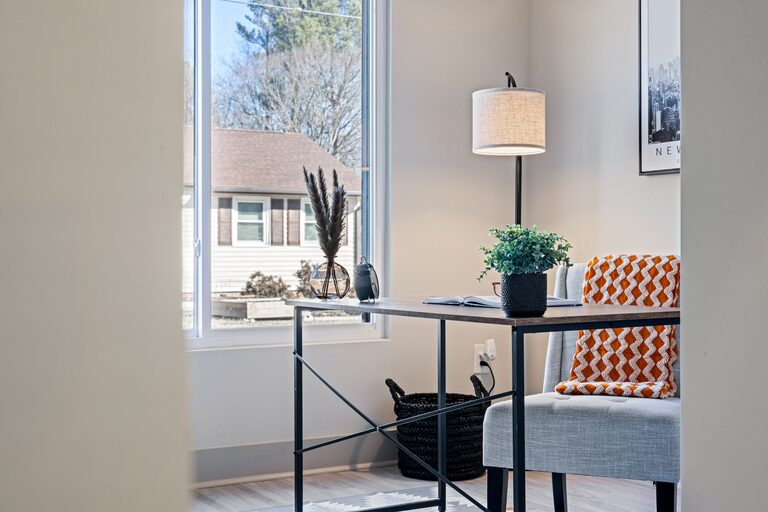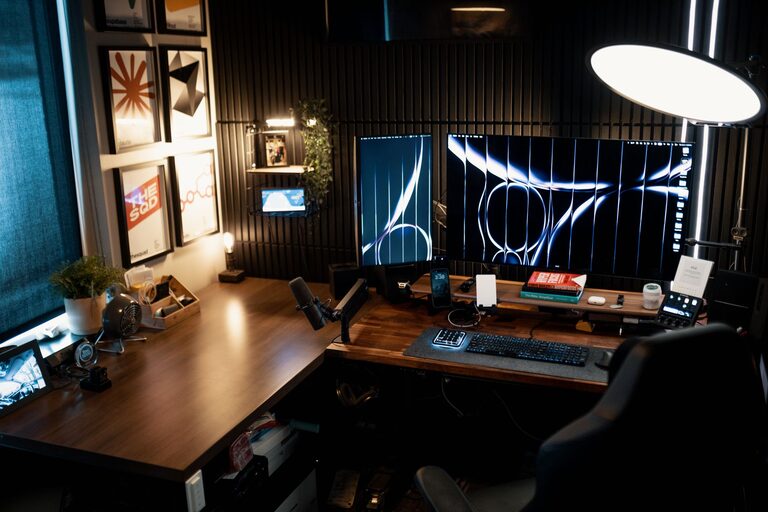

Creating a relaxing home workspace is essential for maintaining productivity and reducing stress, especially as many people continue to work from home. A well-designed workspace can help you feel calm, focused, and motivated throughout the day. Whether you have a dedicated room or a small corner, there are plenty of ways to make your home office a place you enjoy spending time in. In this post, we’ll explore practical tips for creating a relaxing home workspace environment that supports both your work and well-being.
Why a Relaxing Workspace Matters
Your workspace environment directly impacts how you feel and perform. When your surroundings are cluttered or uncomfortable, it can be difficult to concentrate, leading to frustration and decreased productivity. On the other hand, a peaceful and well-organized space encourages focus and creativity. Taking time to set up your home office with relaxation in mind is a small investment that can pay off in better work outcomes and wellbeing.
Choose the Right Location
Find Natural Light
Natural light has a positive effect on mood and energy levels. Whenever possible, set up your workspace near a window to take advantage of daylight. Not only does natural light reduce eye strain, but it also helps regulate your internal clock, making you feel more alert during working hours.
Consider Quiet Areas
Choose a spot that is relatively quiet and free from household distractions. If you don’t have a separate room for your office, try to create a nook where you feel separated from daily activities. Noise-canceling headphones can also help if you’re in a noisier environment.
Invest in Comfortable Furniture
Ergonomic Chair
Comfort is key when you spend many hours seated. Invest in an ergonomic chair that supports good posture with adjustable height and lumbar support. This can prevent back pain and keep you comfortable throughout the day.
Functional Desk
Your desk should have enough surface area to organize your computer, notebooks, and any other tools you need. Consider a desk with storage options to keep clutter off the surface.
Personalize Your Space
Add Calming Colors
Colors affect mood. Soft blues, greens, and earth tones tend to have a calming effect, while bright colors like red or orange might feel more stimulating. Choose decor and accessories in colors that help you feel relaxed and focused.
Incorporate Plants
Plants provide natural beauty and can improve air quality. Adding a few small plants to your workspace can reduce stress and boost creativity.
Organize Efficiently
Declutter Your Desk
A cluttered desk can create a cluttered mind. Keep only necessary items on your desk and use organizers to keep papers, pens, and other supplies tidy.
Use Storage Solutions
Shelves, filing cabinets, or baskets help maintain order and reduce distractions. Having a designated place for everything means less time spent searching for items, improving your workflow.
Manage Lighting and Screen Time
Use Adjustable Lighting
In addition to natural light, have a desk lamp with adjustable brightness and color temperature. This allows you to tailor the lighting to your task, reducing eye strain.
Take Screen Breaks
Staring at screens for extended periods can cause fatigue. Follow the 20-20-20 rule: every 20 minutes, look at something 20 feet away for at least 20 seconds. This simple habit helps prevent eye strain and refreshes your focus.
Establish a Relaxing Routine
Schedule Breaks
Regular breaks help prevent burnout. Step away from your desk every hour or so to stretch, take a walk, or simply breathe deeply. This helps clear your mind and reduce tension.
Create Calming Soundscapes
Consider playing soft, instrumental music or nature sounds at a low volume to create a soothing atmosphere. Avoid distractions like loud or lyric-heavy music which could disrupt concentration.
Minimize Digital Distractions
Turn off Non-Essential Notifications
Constant notifications can interrupt your flow and create stress. Turn off unnecessary alerts on your computer and phone while working.
Use Productivity Tools
Apps that block distracting websites or manage your time can help you stay focused within your relaxing workspace.
Keep Comfort in Mind
Adjust Room Temperature
Make sure your workspace is neither too hot nor too cold. An uncomfortable temperature can be distracting and stressful.
Add Personal Comfort Items
A cozy blanket, a soft cushion, or a water bottle nearby can make your workspace more inviting and ensure your basic needs are met throughout the day.
—
Creating a relaxing home workspace doesn’t have to be difficult or expensive. With some thoughtful adjustments to your environment, furniture, and daily habits, you can build a space that helps you feel calm, focused, and productive. Remember that a calming workspace supports not only your work tasks but your overall well-being. Start small, and gradually customize your workspace to fit your needs and personal style. You’ll be amazed at how much your workday can improve!