
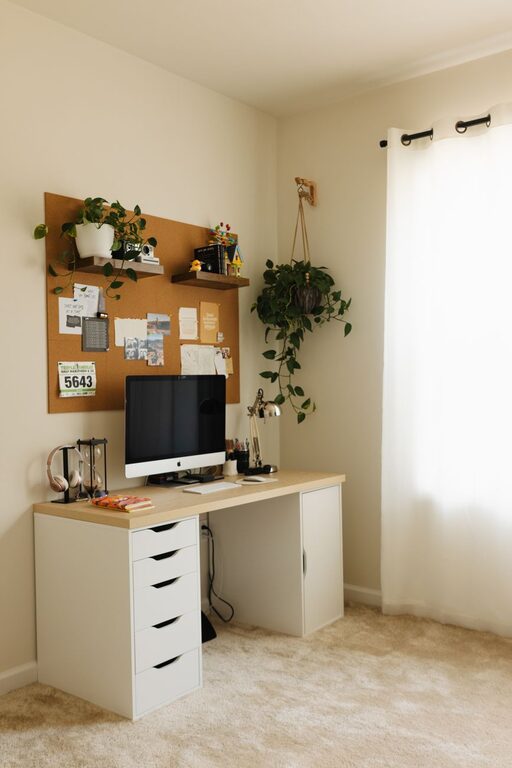
Creating a home office that balances comfort with functionality can significantly improve your productivity and overall mood. Whether you work from home full-time or occasionally need a dedicated space for tasks, designing an inviting and efficient workspace is key. Here are practical tips to help you create a cozy and functional home office tailored to your needs.
Choose the Right Location
Find a Quiet Spot
Start by selecting a location that minimizes distractions. Ideally, pick a room or corner away from heavy foot traffic, noise, and household activities. Quiet surroundings help maintain focus during work hours.
Prioritize Natural Light
Natural light not only brightens your space but also enhances your mood and energy levels. Position your desk near a window if possible, but avoid direct glare on your computer screen. If natural light is limited, opt for soft, warm artificial lighting.
Invest in Comfortable and Ergonomic Furniture
Select a Supportive Chair
Your office chair should offer proper back support to prevent discomfort during long periods of sitting. Adjustable height and lumbar support features are beneficial for maintaining good posture.
Opt for a Spacious Desk
Choose a desk that provides enough surface area to organize your computer, paperwork, and other essentials without feeling cluttered. Adjustable desks or standing desks can add ergonomic variety to your routine.
Organize Efficiently
Use Storage Solutions
Keep your workspace tidy by incorporating shelves, drawers, or storage boxes. Designate spaces for documents, office supplies, and gadgets to reduce clutter.
Cable Management
Messy cords can distract and occupy valuable space. Use cable clips, sleeves, or under-desk trays to keep wires neat and out of sight.
Personalize Your Workspace
Add Comfortable Textiles
Introduce a cozy rug, cushions, or a soft throw blanket to add warmth and comfort to your office. These elements also improve acoustics by softening sounds in the room.
Incorporate Greenery
Plants can improve air quality and create a calming environment. Low-maintenance options like succulents or snake plants are great for busy schedules.
Display Inspiring Items
Personal photos, artwork, or motivational quotes can make your workspace feel inviting and personalized without causing distractions.
Optimize Lighting
Layer Your Lighting
Combine ambient lighting (overhead or natural), task lighting (desk lamps), and accent lighting to create a well-lit, flexible space. Adjustable lamps help reduce eye strain during focused tasks.
Use Warm-Toned Bulbs
Warm lighting tends to be more relaxing and inviting compared to harsh white or blue light, which can sometimes feel sterile.
Maintain Good Air Quality and Temperature
Ventilate Regularly
Fresh air helps maintain alertness and comfort. Open windows when possible or use an air purifier if the room lacks ventilation.
Control Temperature
Ensure your workspace stays at a comfortable temperature. Use fans or portable heaters if central heating or cooling isn’t sufficient.
Minimize Distractions
Create Boundaries
If you share your living space, establish clear signals or rules to indicate when you’re working. This can help reduce interruptions.
Limit Technology Temptations
Keep your phone on silent or in another room if it tends to divert your attention. Use apps or tools to block distracting websites during work hours.
Enhance Technology and Connectivity
Reliable Internet and Equipment
A strong internet connection and functioning hardware like a printer or headset are essential for smooth work operations.
Keep a Charging Station
Designate an area to charge your devices to keep cords organized and devices ready when needed.
Establish a Routine
Set Work Hours
Stick to specific start and end times to create work-life balance, even when working remotely.
Take Breaks and Move
Schedule short breaks to stretch, hydrate, and refresh your mind. Consider integrating some light physical activity to reduce fatigue.
—
By combining comfort, organization, and personal touches, your home office can evolve into a space where productivity and relaxation coexist. Implementing these tips will help create an environment that supports your work style and well-being. Happy designing!